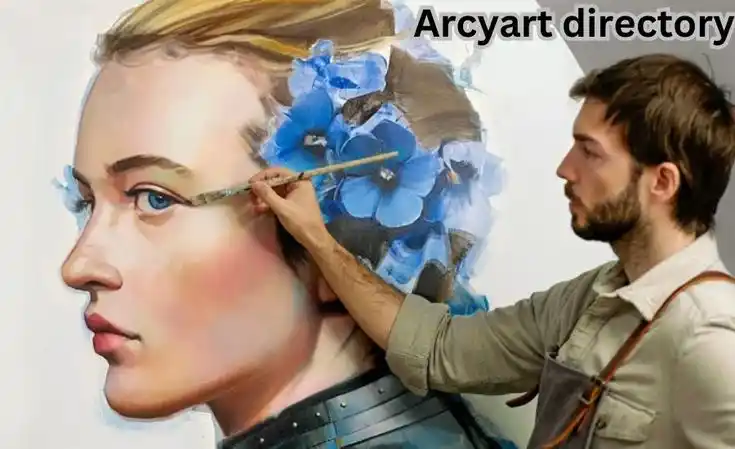
Buying original art should feel exciting, but too often it feels like guesswork. The ArcyArt artists directory solves this by putting artists in one organized place, so you can browse profiles, compare styles, and find original artwork without chasing creators across a dozen platforms.
That’s the gap an artist directory is meant to fill. Instead of chasing individual creators across a dozen platforms, you browse one organized place where artists are grouped, profiled, and easier to compare. The ArcyArt artists directory works this way, and many collectors, from first-time buyers to seasoned ones, use it as a starting point for finding original work.
In this guide, you’ll learn how collectors search a directory like this, what to check before contacting an artist, and how to avoid the most common mistakes new buyers make.
What Is the ArcyArt Artists Directory?
The ArcyArt artists directory is an online listing of artists, organized so that collectors, galleries, designers, and art lovers can find creators by style, medium, or subject. Think of it as a phone book with a personality. Each profile gives you a window into who the artist is and what they make.
In short: an artists directory is a searchable collection of artist profiles that lets you discover original work, compare creators, and contact them directly, all in one place.
This matters because original artwork is personal. A good directory shortens the distance between your taste and the people whose work fits it.
Why Collectors Prefer a Directory Over Random Searching
Collectors who have bought art online for a while tend to describe the same frustrations with scattered searching:
- Social media algorithms show you what’s popular, not what suits you
- Artist portfolios vary wildly in quality and completeness
- It’s hard to know if someone is still active or has stopped selling
- Comparing artists across different websites takes hours
A directory solves most of this by putting the information in a consistent format. When profiles follow a similar layout, you can compare two painters or three sculptors without hunting for basic details like medium, location, or contact method.
It also helps you find artists you’d never stumble on otherwise. Many talented creators have small followings and little marketing budget. A directory gives them visibility, and it gives you access to work that hasn’t been overexposed.
How to Search the ArcyArt Artists Directory Effectively
Getting good results from any artist directory takes a little strategy. Here’s the approach many collectors follow.
Start With Your Own Taste
Before you open the ArcyArt artists directory, spend ten minutes thinking about what you actually like. Do you gravitate toward bold abstract canvases or quiet, detailed landscapes? Do you want something for a living room wall or a small desk piece?
Write down three or four words that describe your taste, such as “textured,” “minimal,” “colorful,” or “figurative.” These become your search terms.
Filter by Medium and Style
Most directories let you narrow results by category. Collectors commonly start with the medium, such as oil painting, watercolor, sculpture, photography, digital art, or mixed media. Then they narrow by style or theme.
Starting broad and then narrowing works better than starting too specific. If you search for something very narrow, you may miss artists whose work would suit you well.
Browse More Than the First Page
Artists who appear first aren’t necessarily the best match for you. Spend time scrolling. Open profiles that catch your eye even if the thumbnail is small. Many collectors find their favorite artist on page three or four.
Save a Shortlist
Keep a running list of artists you like. A simple note on your phone works. Include the artist’s name, the piece that caught your attention, and one line about why. When you’ve collected eight to ten names, you can compare them calmly rather than deciding on impulse.
What to Look for in an Artist Profile
Once you’ve found a few promising artists, the profile itself tells you a lot. Here’s what experienced collectors check.
A Clear, Consistent Portfolio
Look for a body of work that feels cohesive. This doesn’t mean every piece looks the same. It means the artist has a recognizable voice. If a portfolio jumps wildly between unrelated styles with no common thread, the artist may still be exploring, which isn’t bad, but it’s worth knowing.
Quality Images and Honest Details
Good photos of the artwork, taken in natural light with accurate color, are a sign the artist takes their work seriously. Check that details like size, medium, and year are listed. Missing details aren’t automatically a red flag, but they mean you’ll need to ask.
An Artist Statement or Bio
A short bio helps you understand the thinking behind the work. Collectors often say that knowing the story is part of what makes a piece meaningful to own. Look for information about training, influences, exhibitions, or the themes an artist returns to.
Signs of Activity
Check whether the profile seems current. Recent work, updated contact details, and a sense that the artist is still creating all suggest someone you can actually do business with.
How to Tell If Artwork Is Original
This is the question that worries buyers most, and it’s a fair one. “Original” can mean different things, so it helps to know the vocabulary.
- Original artwork: a unique piece made directly by the artist, such as a painting, drawing, or sculpture
- Limited edition print: a reproduction produced in a set number, usually signed and numbered
- Open edition print: a reproduction with no limit on copies
- Digital download: a file the buyer prints themselves
When you’re interested in a piece, ask the artist directly: Is this a one-of-a-kind original? Do you provide a certificate of authenticity? Can you share work-in-progress photos? Genuine artists are usually happy to answer. Hesitation or vague replies are worth noting.
For higher-value purchases, ask about provenance, which is the record of where the piece has been and who has owned it. For works by emerging artists, provenance is often simple, but a signed certificate or invoice still protects you.
Contacting Artists and Making a Purchase
One advantage of using the ArcyArt artists directory is that it can connect you with artists directly. That personal contact is part of the appeal, but a few habits make the process smoother.
Write a Clear First Message
Introduce yourself briefly, mention the specific piece or series you like, and ask your question. For example: “I saw your oil painting series on coastal scenes and I’m interested in the 24 by 36 inch piece. Is it still available, and could you tell me about shipping?”
Specific messages get faster and more useful replies than a generic “I like your work.”
Ask About Shipping, Framing, and Payment
Original artwork is fragile. Ask how it will be packed, who pays for shipping, and whether insurance is included. Find out whether the piece comes framed or unframed. Confirm the payment method and get everything in writing, even if it’s just an email thread.
Consider a Commission
If you don’t see exactly what you want, many artists accept commissions. A directory is a great place to find someone whose style matches your idea. Discuss size, timeline, price, and how many revisions are included before any work starts.
Common Mistakes Collectors Make (and How to Avoid Them)
Even careful buyers slip up. Watch for these.
Buying only on price. Cheap isn’t always a bargain, and expensive doesn’t guarantee quality. Judge the work, the artist’s experience, and how fairly the price reflects both.
Ignoring scale. A piece that looks perfect on a screen can feel too small or overwhelming in your home. Measure your wall space first, and ask for a photo of the piece shown in a room for scale.
Skipping the paperwork. Keep invoices, certificates, and correspondence. If you ever insure, resell, or donate the piece, you’ll want proof.
Rushing. If a seller pushes you to decide immediately, slow down. Good art will still be good tomorrow.
Tips for Building a Collection Over Time
Collecting isn’t only about individual purchases. It’s about developing an eye. Collectors who enjoy the process tend to do a few things consistently:
- Buy what you love, not what you think will rise in value
- Follow a few artists over time and watch how their work evolves
- Start with smaller or more affordable pieces to build confidence
- Visit exhibitions or studios when possible to see work in person
- Revisit the ArcyArt artists directory regularly, since new artists join and existing ones add fresh work
Frequently Asked Questions
What is the ArcyArt artists directory used for?
It’s used to discover and connect with artists. Collectors browse profiles to find original artwork, compare creators, and contact artists directly about available pieces or commissions.
Is it free to browse the ArcyArt artists directory?
Browsing is generally the first step for most visitors, but access and pricing can change, so check the platform’s current terms for the latest details.
How can I be sure an artwork is original?
Ask the artist whether the piece is one of a kind, request a certificate of authenticity, and ask for photos of the work in progress. Keep any written confirmation for your records.
Can I commission a custom piece from an artist in the directory?
Many artists accept commissions. Message them with your idea, preferred size, and budget, and agree on timeline and revisions in writing before work begins.
How do I find artists whose style matches mine?
Start with the medium and style filters, save a shortlist of favorites, and compare several portfolios before contacting anyone. Browsing past the first page often turns up the best matches.
Conclusion.
Finding original artwork doesn’t have to be overwhelming. A well-organized directory gives you a clear starting point, and the ArcyArt artists directory lets you browse by style, study artist profiles, and reach out directly to the people behind the work.
The best approach is simple. Know your taste, build a shortlist, ask good questions, and take your time. Do that, and you’ll end up with pieces that mean something to you, not just something to hang on a wall.